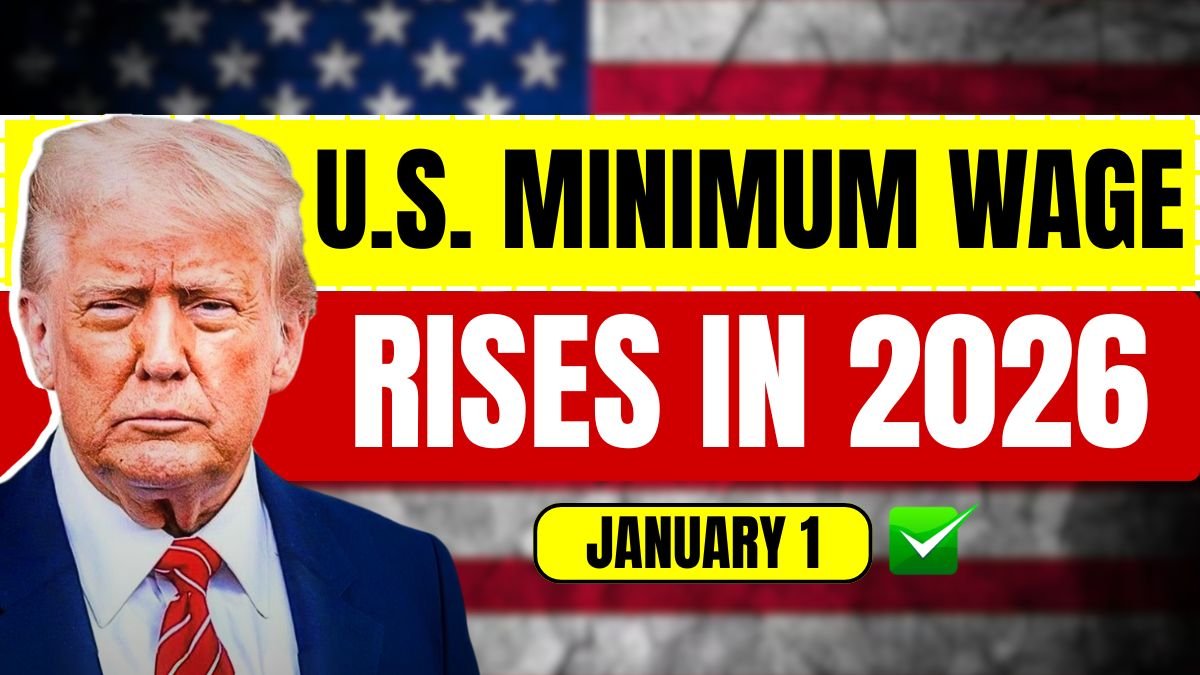
The issue of minimum wage in the United States has always been a topic of discussion, as it directly impacts the daily lives of millions of working people. Beginning January 1st, 2026, several states and cities across the United States implemented minimum wage increases. This increase isn’t limited to mere statistics, but rather reflects the aspirations of families struggling to balance inflation, rent, healthcare expenses, and daily necessities. This article explains, from a purely human perspective, why the minimum wage was increased in 2026, who it impacted, and what it means for the future.
Background on the Minimum Wage in the United States
The minimum wage system in the United States operates at both the federal and state levels. The federal minimum wage sets a base, but states have the authority to set higher wages. The federal minimum wage has remained unchanged for several years, despite continued inflation. Consequently, many states and cities have decided to increase wages on their own. The 2026 increase is the result of a long struggle and policymaking, in which labor organizations, social activists, and policy experts played a key role.
Reasons Behind the 2026 Minimum Wage Raise
The primary reason for raising the minimum wage is rising inflation. In the United States, the cost of rent, fuel, food, and healthcare has risen rapidly in recent years, making it difficult to survive on the old wage. Furthermore, changes in the labor market following the COVID-19 pandemic also forced governments to consider the need. The shortage of workers in many sectors and the challenge of maintaining living standards necessitated an increase in the minimum wage.
New Rates Effective January 1, 2026
The new minimum wage rates, effective January 1, 2026, are not uniform across the United States. Some states increased wages as part of a pre-planned plan, while others implemented automatic increases based on an inflation-linked formula. This means that an employee working in a major city may earn a higher minimum wage than one working in a rural area. This difference has often caused controversy, but it has been deemed necessary given the local cost of living.
Direct Impact on Low-Income Workers
The increase in the minimum wage has benefited workers who previously worked for very low wages. For those working in sectors such as retail stores, restaurants, cleaning services, caregiving, and delivery, this increase has brought relief. They are now able to manage their monthly expenses a little better. For many workers, this increase opens the way for children’s education, better food, and access to healthcare.
Challenges for Small Businesses
While the increase in the minimum wage has benefited workers, it has also posed new challenges for small businesses. Many small shopkeepers and restaurant owners say the burden of increased wages impacts their profits. Some have had to raise prices, while others have reduced employee hours. Nevertheless, many businesses also believe that better wages increase employee satisfaction and productivity, which can benefit businesses in the long run.
Balancing Inflation and Wages
A major question surrounding raising the minimum wage is whether it will further fuel inflation. Some economists believe that wage increases could lead to higher prices for goods and services, while others argue that as people’s purchasing power increases, demand in the economy also increases, maintaining balance. The 2026 increase is seen as an attempt to strike this balance, taking into account both worker needs and economic stability.
State and City Decisions
A unique feature of the United States is that each state and city can make decisions based on their own circumstances. In 2026, some states significantly increased the minimum wage, while others made minor changes. In larger cities, where the cost of living is higher, the minimum wage has been kept relatively high. This provides relief to local employees but also widens the wage gap between states.
Impact on Youth and Part-Time Workers
The minimum wage increase has also impacted youth and part-time workers. College students who work while studying are now able to earn better incomes. This helps them cover their education expenses and reduce their reliance on loans. At the same time, some employers have become cautious about hiring inexperienced employees to keep costs under control.
Possibility of Further Increases in the Future
Many consider the 2026 increase a milestone, not a final step. Social organizations and labor unions say the struggle will continue until wages reach the true cost of living. Further changes to the minimum wage may be expected in the coming years, especially if inflation persists. Many states have already planned future increases.
Minimum Wage and Social Justice
The minimum wage is not just an economic issue, but also one of social justice. Better wages help reduce income inequality and give workers the opportunity to live a dignified life. The 2026 increase is seen as a step in this direction, giving voice to those who have long demanded better wages.
Conclusion: The True Meaning of the 2026 Increase
The 2026 minimum wage increase in the United States is not just a policy change, but an attempt to bring positive change to the lives of millions of people who, despite their hard work, were living under financial pressure. The new wage, which took effect on January 1st, has provided some relief to many families, although challenges remain. It will be interesting to see what long-term impact this increase will have on the American economy, labor market, and society. It is certain that the process of discussing and changing the minimum wage is far from over, and 2026 has become an important chapter in it.
FAQs
Q1. When does the U.S. minimum wage increase in 2026?
A. It takes effect on January 1, 2026.
Q2. Does the wage increase apply nationwide?
A. Federal rates apply nationwide, but many states set higher wages.
Q3. Will all workers receive the same hourly pay?
A. No, wages vary by state, city, and local laws.